Home / Blog / Can Hair Loss Be Prevented? What Men Can Do to Protect the Hair They Have
Can Hair Loss Be Prevented? What Men Can Do to Protect the Hair They Have

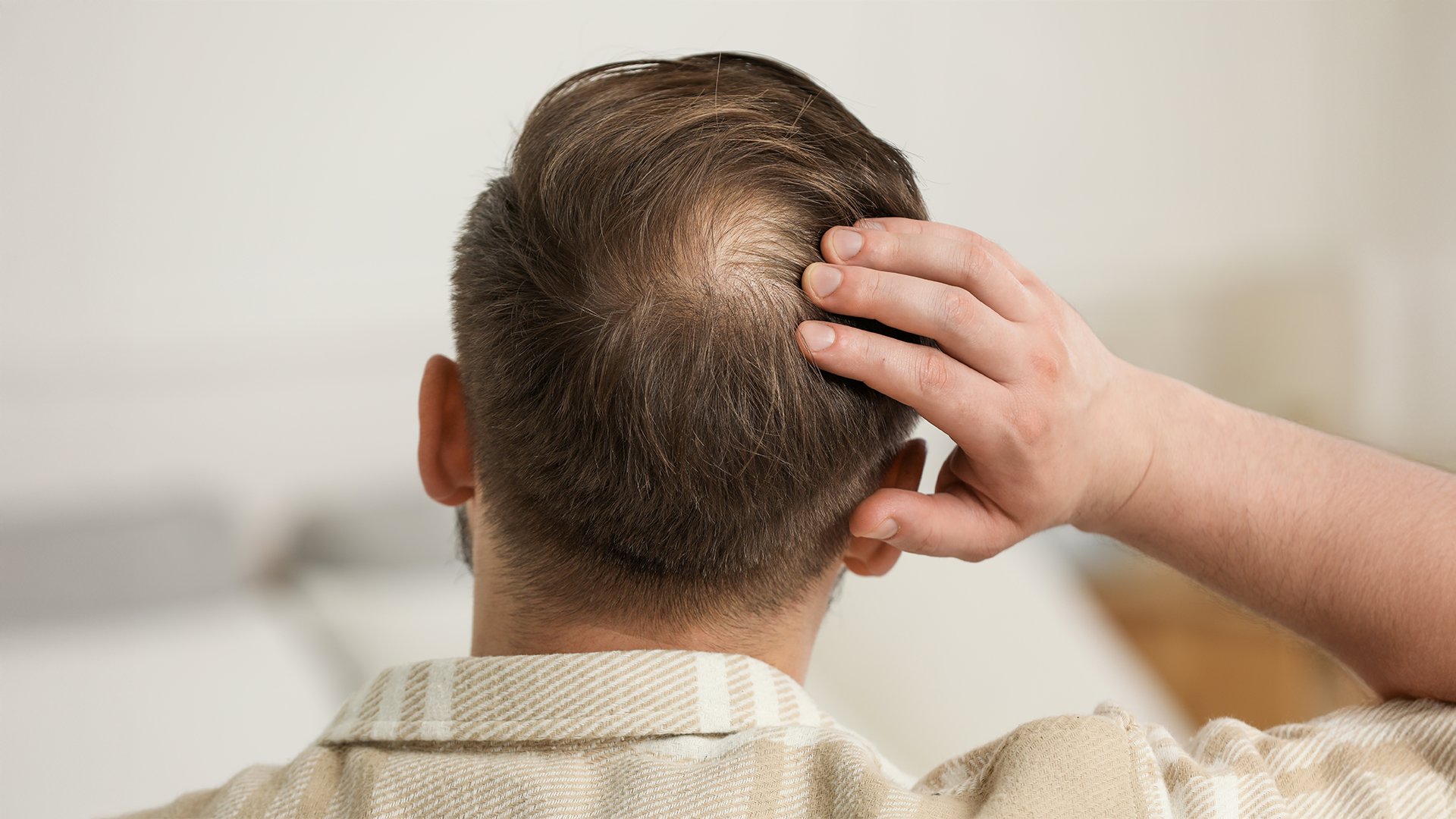
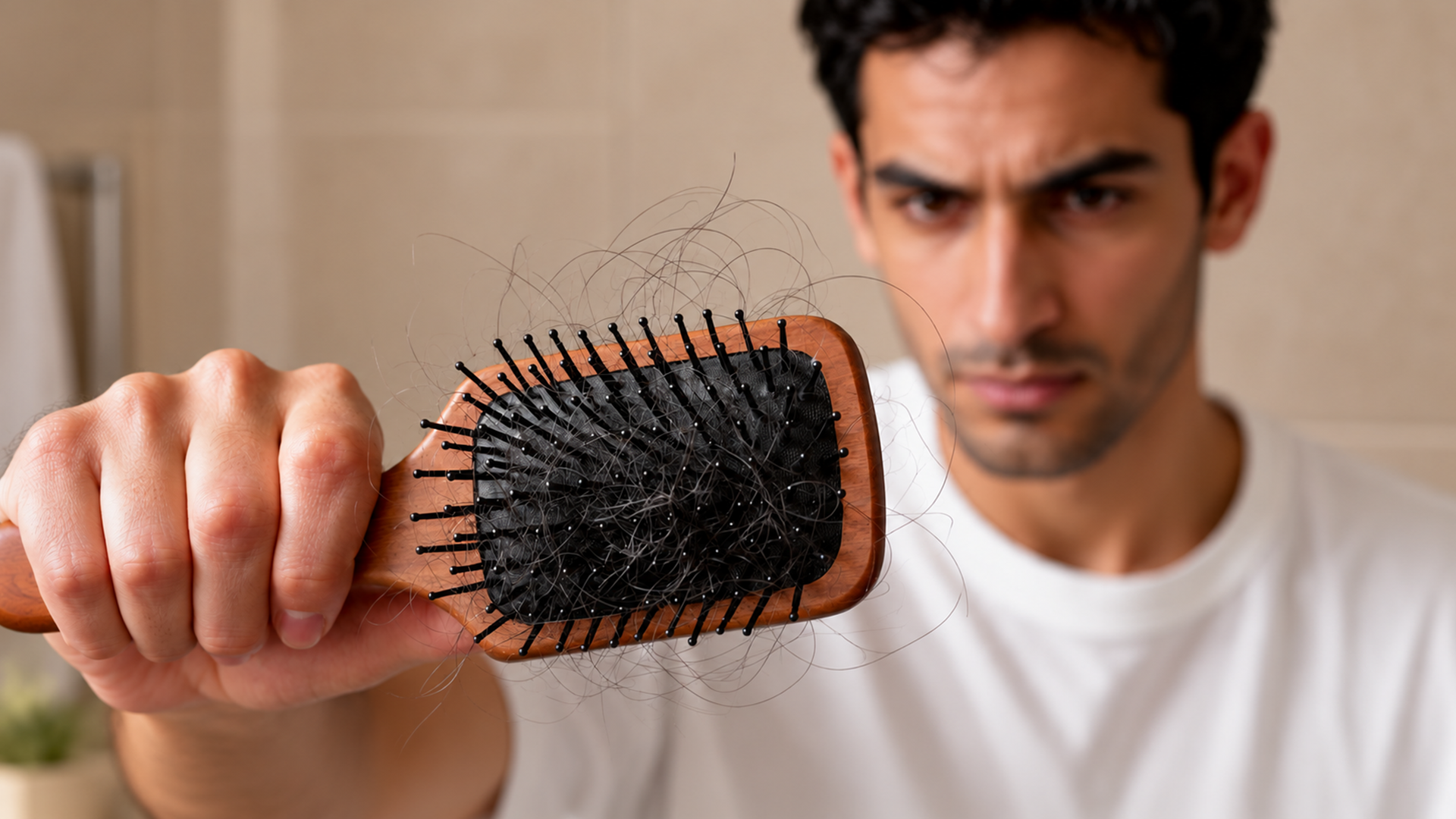
Hair loss is one of the most common concerns among men. It tends to creep up, starting subtly, with a slightly higher hairline or thinner crown and many men simply do nothing until it becomes impossible to ignore. The question they ask themselves is whether or not hair loss can be prevented.
The most honest answer is that there are some cases that can be prevented, while others are more challenging. In all cases, however, early intervention has the highest chance of preventing further loss for as long as possible.
Why Do Men Lose Their Hair?
The most common reason for hair loss in men is male pattern baldness. This genetic condition, also known as androgenetic alopecia, leads to hair follicles becoming sensitive to the hormone DHT. This sensitivity leads to follicles miniaturizing over time, which in turn means thinner strands of hair and eventually ceasing to grow new hair entirely, for some follicles.
While genetics play a major role in male pattern baldness, there are other causes that can trigger hair loss or speed it up:
• Nutritional: deficiencies in certain nutrients such as iron, vitamin D, zinc or protein
• Stress: both emotional and physical stresses can lead to a period of shedding
• Thyroid: issues with the thyroid gland and certain medications can also trigger hair loss
• Scalp conditions: an unhealthy or unhealthy scalp can undermine the hair’s growth
• Trauma: to the hair or scalp, such as excessive styling or wearing tight clothes
Can It Be Prevented?
As male pattern baldness is genetic, it can be mitigated but not prevented entirely. Other causes however, can sometimes be reversed once the root cause is addressed. In most cases, however, men can take proactive steps to mitigate the effects of these causes.
Everyday Habits That Support Hair Health
Eating a balanced diet full of micronutrients and protein, where possible, is essential for hair health in the same way that it supports the health of the rest of the body. Crash diets or severely limiting calorie intake can actually result in shedding.
Managing stress and ensuring sufficient sleep is also essential, as chronic stress and poor sleep can trigger a shedding cycle, which can last for several months.
Similarly, being gentle to the hair and scalp is important, avoiding chemical treatments, wearing hats and brushing the hair too hard.
Hats themselves do not cause baldness, but a dirty one can impede the scalp’s breathability and one of the most popular alternatives right now, the Man Hair Cap, is ultra-lightweight and has plenty of breathing holes to ensure that the hair and scalp stay comfortable and healthy. Learn more about the Man Hair Cap
Other preventative measures include not smoking and getting regular medical check-ups, where possible. A medical professional can assist in identifying any underlying causes and offer guidance, including medications that may be indicated. Medical intervention is most effective earlier rather than later, when the loss is already advanced.
Solutions That Help You Keep the Hair You Have
In addition to these healthy lifestyle choices and early intervention, there are products that support the scalp and hair, helping to maintain the hair a man has. The Man Hair Company offers three key solutions that are worth considering.
1. LED therapy
LED therapy is a non-invasive way to stimulate the scalp and re-energize dormant follicles. It can be used as part of a wider hair loss management plan, and requires no medication just a simple at-home treatment with the LED hair growth helmet.
Explore the LED hair growth helmet
2. The Man Hair Shampoo
A healthy scalp is the foundation for healthy hair growth. Build-up, dryness or irritation can all impede the hair’s natural growth cycle. Using a gentle, nourishing shampoo is vital. Going for a natural shampoo formulation is usually the safest bet.
Final Thoughts
Hair loss cannot always be prevented, but that does not mean that men have to simply accept it as inevitable. Healthy habits, early intervention, medications where appropriate and the right supporting products can all make a difference – the earlier the better.