Home / Blog / Hair Falling Out? Does Men Can Still Save/ keep Their Hair
Hair Falling Out? Does Men Can Still Save/ keep Their Hair
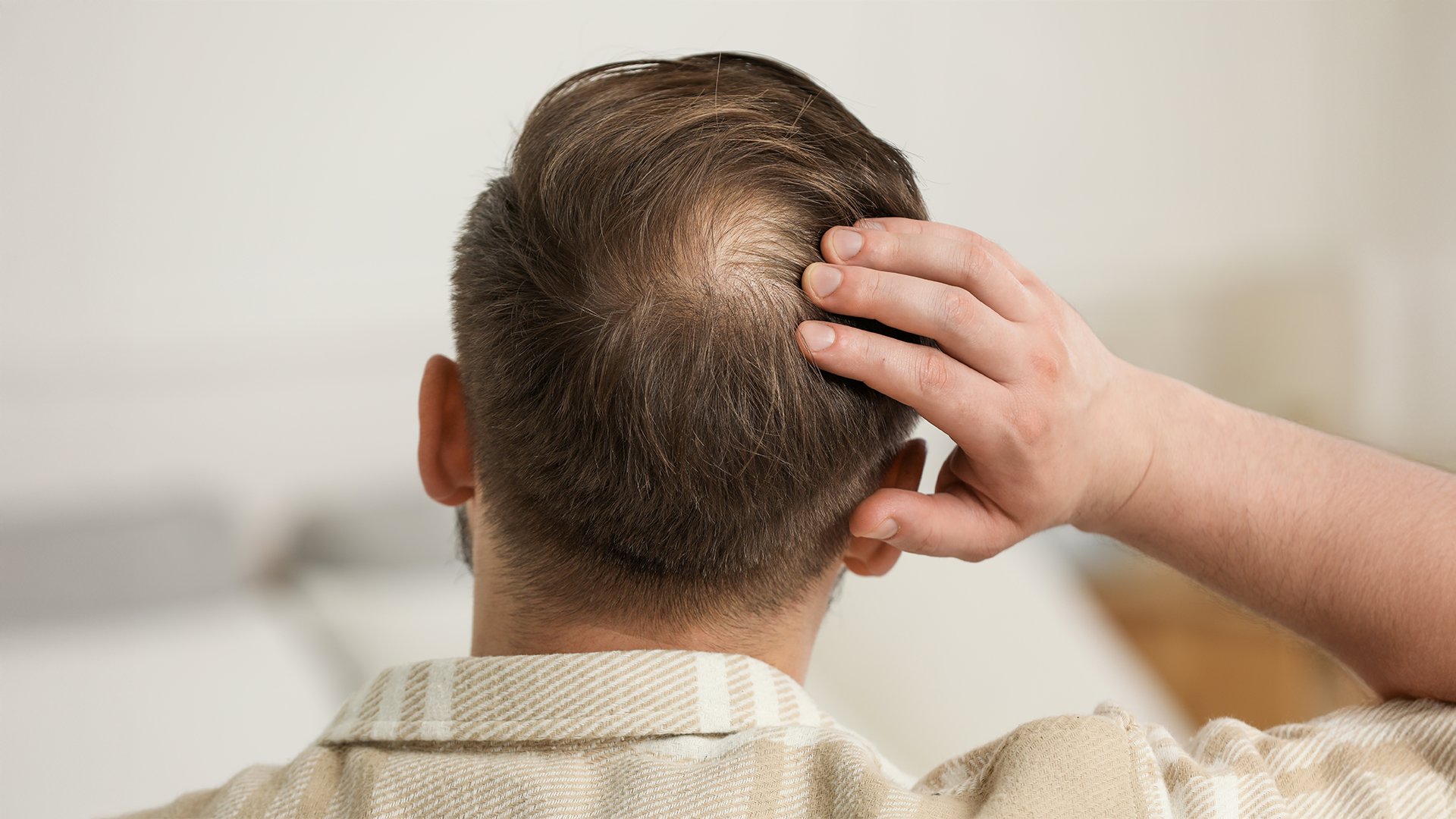
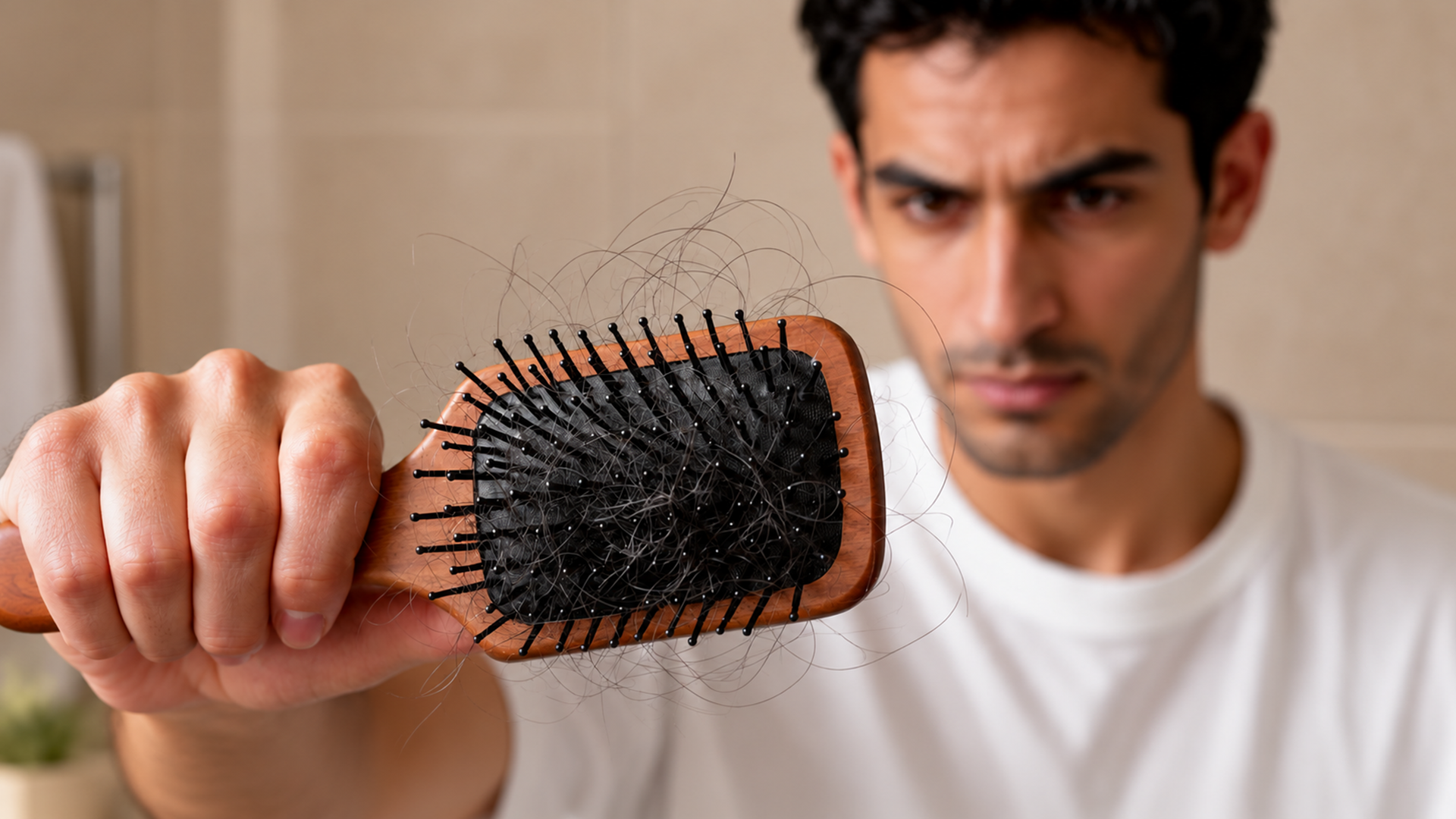
You notice it in the shower drain first. Then in the mirror, where your hairline looks a little higher than last year. Then in photos, where the crown seems thinner than you remember.
If this sounds familiar, you’re far from alone, and, more importantly, it’s not too late to act.
The Problem: Hair Loss Is More Common Than Most Men Admit
Men’s hair loss is often brushed off as a cosmetic issue or something you just have to accept. The numbers say otherwise:
Around two-thirds of men experience noticeable hair loss by age 35.
By age 50, roughly 85% of men have significantly thinning hair.
About 1 in 4 men with male pattern baldness start losing hair before turning 21.
Behind those statistics is a real emotional cost. For many men, especially younger ones, hair loss affects confidence, self-image and even relationships. Most stay silent about it, which usually means they wait too long to do anything.
What Is Actually Causing It?
The most common cause is androgenetic alopecia, better known as male pattern baldness, which accounts for over 95% of hair loss in men. In simple terms, genetically sensitive follicles gradually shrink in response to the hormone DHT. Each new hair grows back thinner and shorter until the follicle stops producing visible hair.
Two things are worth knowing:
It’s not just about your dad’s side. Male pattern baldness is genetically complex and can come from either side of your family.
It’s not always pattern baldness. Sudden shedding, bald patches, redness, or flaking can signal a different problem. That’s why you should find the cause before choosing a treatment.
The Solution: Yes, You Can Still Save Your Hair
Here’s the honest and encouraging truth: hair loss is manageable, and the earlier you act, the more hair you have left to protect. Saving your hair is about preserving what you have, slowing progression and avoiding the damage you can control.
Step 1: Get the Right Diagnosis
Effective treatment starts with knowing what you’re dealing with. A dermatologist or hair specialist can usually identify male pattern baldness from the pattern of loss, a scalp examination and your medical and family history. Magnified scalp analysis can even spot miniaturization before it’s obvious to the naked eye.
Step 2: Stop Damaging the Hair You Still Have
This is the step most men overlook, and the easiest one to start today. Everyday habits can quietly stress thinning hair:
Rough drying and brushing. Rubbing your hair hard with a towel or brushing it while wet can snap weak strands. Pat it dry and be gentle.
Too much heat. Hot blow dryers and styling tools dry out your hair and make it more brittle. Use low heat or let it air dry.
Harsh products. Strong shampoos and heavy gels or waxes can irritate your scalp. Choose mild products and rinse them out well.
Rough headwear. Hats and caps with scratchy linings and tight fits rub against your hair all day.
Even small details like what you wear on your head count. Plenty of men wear a cap daily, and most ordinary caps have rough linings and exposed stitching that rub against the hair. That’s why some men are switching to designs built with hair in mind, like this cap with a smooth polyester lining, hidden stitching and laser-cut ventilation, The Man Hair Company Cap features a lightweight design, smooth polyester lining to reduce hair friction, and small ventilation holes to keep your scalp breathable. While it doesn’t treat hair loss, it helps minimize everyday friction.
Step 3: Build a Simple, Consistent Routine
Wash gently with lukewarm water and a mild shampoo
Pat hair dry rather than rubbing
Keep your scalp clean and comfortable
Eat a balanced diet, sleep well and manage stress
Track your progress with photos every few months
Don’t fall for quick fixes. A hair transplant moves hair you already have from one part of your head to another. It doesn’t stop hair loss, so it isn’t a magic cure. And experts don’t recommend needle rollers or mixing lots of products without a doctor’s advice.
Consistency, rather than quick fixes, is the foundation of a thoughtful hair-care routine.
Final Thoughts: Don’t Wait for It to Get Worse
Hair loss feels permanent and personal, but it’s also one of the most common and best-understood conditions men face. With an accurate diagnosis, realistic expectations, proven treatments and smarter daily habits, you can slow the process and keep far more of your hair than if you do nothing.