
5 Mistakes That Can Accelerate Hair Loss in Your 30s
5 Mistakes That Can Accelerate Hair Loss in Your 30s
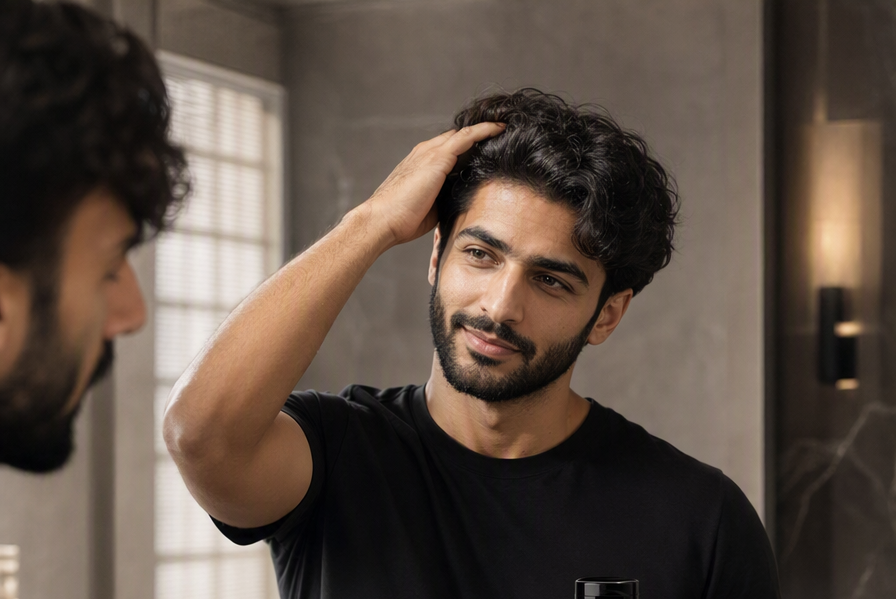
The 30s are usually the decade when many men start noticing subtle changes in their hair: a receding hairline, thinning around the crown, or noticing more strands shedding than usual.
Typically, the initial reaction falls into one of two extremes:
Ignoring it: Convincing yourself, "It's normal."
Panic buying: Purchasing any product claiming it will "stop hair loss."
The truth is that neither reaction addresses the real issue. Hair loss stems from a variety of factors—genetics, hormones, stress, nutrition, underlying health conditions, scalp health, and your daily hair care habits. While you can't control every cause, certain everyday habits can increase breakage, damage your scalp, and delay you from taking timely, effective action.
If you’re in your 30s and want to keep the hair you have, proper care shouldn't start after you notice a drastic difference. Here are 5 key mistakes you need to know and avoid:
1. Noticing Changes but Waiting for Them to Disappear
You might notice your hairline receding slightly or your scalp becoming more visible under bright light, but you convince yourself it’s just a bad haircut. While it’s completely normal to shed a certain amount of hair daily, ignoring a persistent change in density, volume, or hairline won't make the problem go away.
Hair loss has various root causes, and each requires a different approach. The earlier you catch a change, the more time you have to understand what's happening and adjust your routine.
What to do instead:
Take progress photos: Photograph your hairline and crown every 2–3 months under consistent lighting and angles. The goal isn't to obsess daily, but to distinguish actual hair loss from temporary fluctuations.
Watch for warning signs: If shedding occurs suddenly, appears in distinct patches, or is accompanied by itching, pain, or inflammation, don't try to hide it with a new hairstyle or a cap. Seek advice from a specialist.
2. Normalizing Constant High Stress
Work pressures, family responsibilities, and endless deadlines... Over time, chronic stress can feel like your baseline norm. However, your body often reacts to prolonged physical or emotional stress with increased hair shedding. Importantly, the impact isn't always immediate; you might experience hair loss months after a stressful period has passed.
While stress-induced shedding (telogen effluvium) is often temporary, it can persist if the underlying cause remains unmanaged.
What to do instead:
Give your body an environment to recover: maintain regular sleep schedules, stay physically active, and take real breaks from work.
If shedding is severe or continuous, don't automatically assume it's just stress. Evaluate your diet, daily routine, and recent health changes instead of guessing.
3. Wearing Tight, Rough Caps All Day
To be clear: wearing a standard cap or hat does not directly cause male pattern baldness. The issue arises when a cap or helmet is overly tight, creates constant friction, or pulls on your hair roots for extended periods.
Repeated friction and tension can cause hair breakage and damage hair follicles in areas exposed to constant pressure.
Does cap material matter? Yes. In addition to proper fit, cleanliness and fabric choice play key roles:
Fit: Choose a size that leaves no red pressure marks on your scalp.
Material: Look for soft inner linings; avoid rough stitching or harsh fabrics that increase friction.
Breathability: In warm weather, opt for breathable fabrics to minimize heat and sweat buildup.
Hygiene: Never wear a sweat-soaked cap day after day without washing it. Clean sports helmets and caps regularly.
Listen to your scalp: If wearing a cap causes pain, itching, or irritation, address it immediately.
4. Leaving Workout Sweat on Your Scalp
Sweat itself does not cause hair loss. The mistake lies in letting a mixture of sweat, sebum, dead skin cells, and hair product residue sit on your scalp for hours post-workout.
Over time, this accumulation can lead to an itchy, irritated scalp, unpleasant odors, or clogged pores. Combined with a tight cap or helmet, it creates a warm, humid environment that disrupts scalp health. Furthermore, exercising outdoors without protection exposes your hair and scalp to UV rays, leading to dry, brittle strands and sunburnt skin.
What to do instead:
Rinse or wash your scalp promptly after workouts and heavy sweating.
Clean your caps and helmet linings regularly.
If exercising outdoors, wear a comfortable, breathable cap to shield your scalp from direct sun exposure.
The Role of Daily Care: Incorporating a specialized solution like The Man Hair Shampoo helps clean away excess oils, sweat, and daily build-up, leaving your hair and scalp refreshed and balanced for the day ahead.
5. Crash Dieting and Taking Random Supplements
In your 30s, rapid weight-loss diets, extreme calorie restriction, or drastic meal shifts for fitness goals can shock your system. Sudden weight loss, inadequate protein intake, and essential nutrient deficiencies frequently trigger noticeable hair shedding weeks later.
Conversely, taking excessive, random supplements isn't necessarily better—high doses of certain vitamins and minerals can actually contribute to hair loss.
What to do instead:
Aim for gradual, sustainable weight loss.
Ensure adequate daily protein intake.
Keep your diet balanced and nutritionally diverse.
Focus on What You Can Control
Taking care of your hair in your 30s comes down to manageable, consistent steps:
Don't ignore early changes in your hairline or density.
Prioritize restful sleep and stress management.
Avoid tight, rough, or unwashed headwear.
Keep your scalp clean after exercise.
Avoid crash diets and unverified supplement regimes.
That’s the core philosophy behind The Man Hair Company. We don't promise that a single shampoo will magically stop all types of hair loss, but we believe proactive care starts while you still have the hair you want to keep.
The best time to care for your hair isn't after it's gone—start today and protect what's yours.